BLG.png)

Reliable Small Industrial Ice Maker from Leading Manufacturer in China
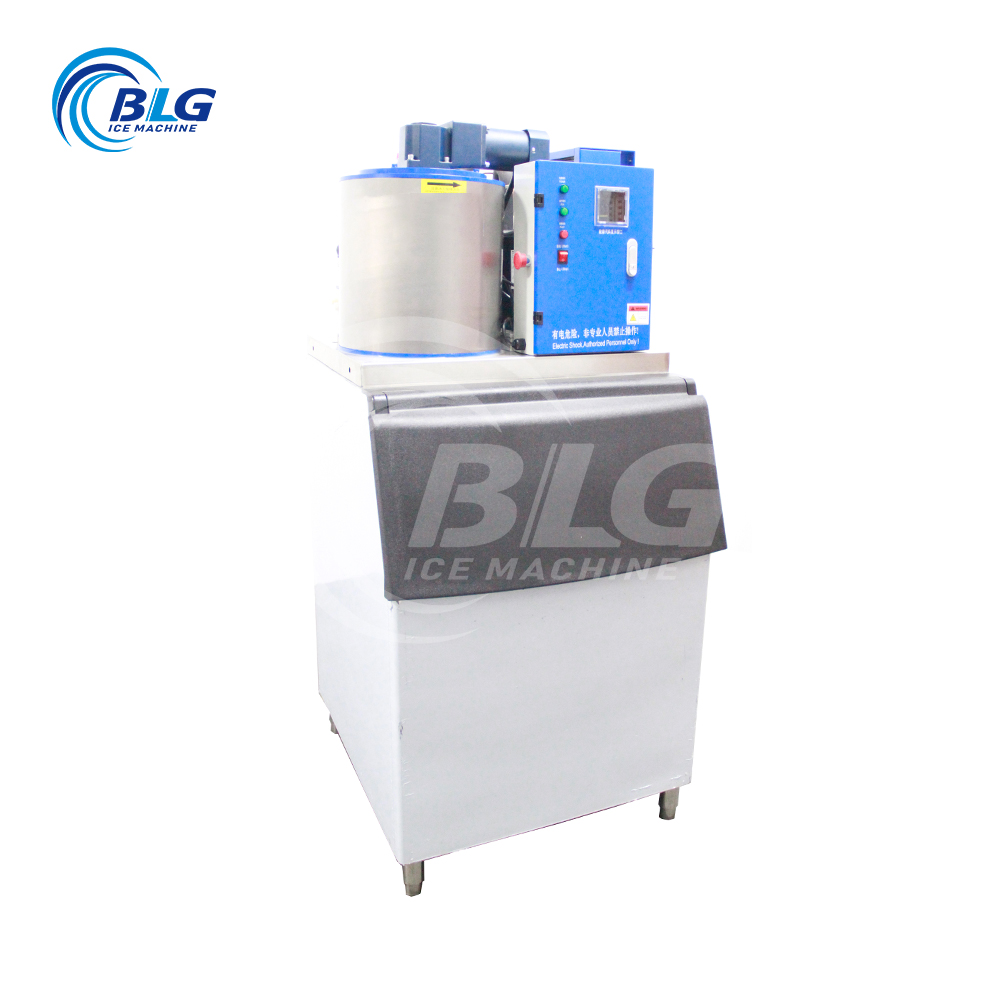
As a buyer in need of a reliable and efficient Small Industrial Ice Maker, I'm excited about the options available from top manufacturers in China. These machines are designed to cater to the needs of businesses that require a dependable supply of quality ice without taking up too much space. I've found that their compact size doesn’t compromise on performance; they can produce large quantities of ice quickly while maintaining energy efficiency. What stands out to me is the durability and reliability of these ice makers, making them ideal for various applications, from restaurants to hospitals. I appreciate that many manufacturers provide extensive support and easy access to spare parts, ensuring minimal downtime for my operations. With their advanced technology and user-friendly controls, these Small Industrial Ice Makers are an excellent investment for any B2B purchaser looking to enhance their ice production capabilities.
1.jpg)
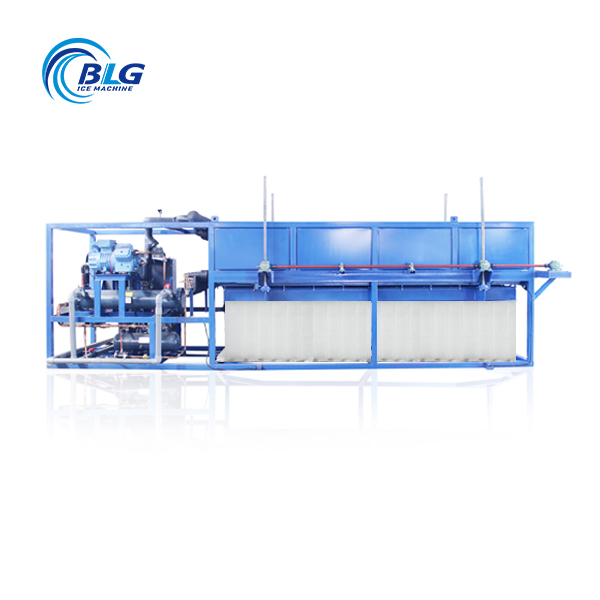
Small Industrial Ice Maker in 2025 Where Service Meets Innovation
In 2025, the demand for compact and efficient industrial ice makers is set to surge, driven by the need for flexible solutions in various sectors, from food service to pharmaceuticals. The evolution of technology is paving the way for innovative features that not only enhance performance but also prioritize energy efficiency and sustainability. This new wave of small industrial ice makers combines cutting-edge design with user-friendly interfaces, ensuring that businesses can access reliable ice production without occupying significant space or resources. As global procurement trends shift towards environmentally responsible practices, modern ice makers harness advanced technologies such as smart sensors, predictive maintenance, and energy-saving modes. These innovations enable users to optimize operational efficiency while reducing their carbon footprint. Additionally, the integration of IoT capabilities allows for real-time monitoring and control, empowering businesses to streamline their ice production processes, minimize downtime, and ensure consistent quality. For global buyers, investing in such equipment means aligning with the future of industrial refrigeration. The focus on service during this transition is crucial, as ongoing support and maintenance will maximize the potential of these advanced systems. As we look towards 2025, the synergy between service excellence and innovation will define the success of small industrial ice makers in meeting the diverse needs of a rapidly evolving market.
Small Industrial Ice Maker in 2025 Where Service Meets Innovation
| Feature | Description | Impact on Service | Innovation Level | Market Demand |
|---|---|---|---|---|
| Energy Efficiency | Uses advanced compressors for lower energy consumption. | Reduces operating costs for businesses. | High | Increasing demand for eco-friendly solutions. |
| Smart Technology | Integrates IoT for remote monitoring and control. | Enhances maintenance and operational efficiency. | Very High | Strong interest from tech-savvy industries. |
| Compact Design | Space-saving models suited for various setups. | Allows installation in limited spaces. | Medium | Important for urban and small business settings. |
| Durability | Constructed with robust materials for longevity. | Reduces replacement frequency and costs. | High | Strong demand in heavy-use environments. |
| Rapid Ice Production | Can produce ice in less than half an hour. | Meets high-volume demands during peak times. | Very High | Critical for food service and catering industries. |
Related Products
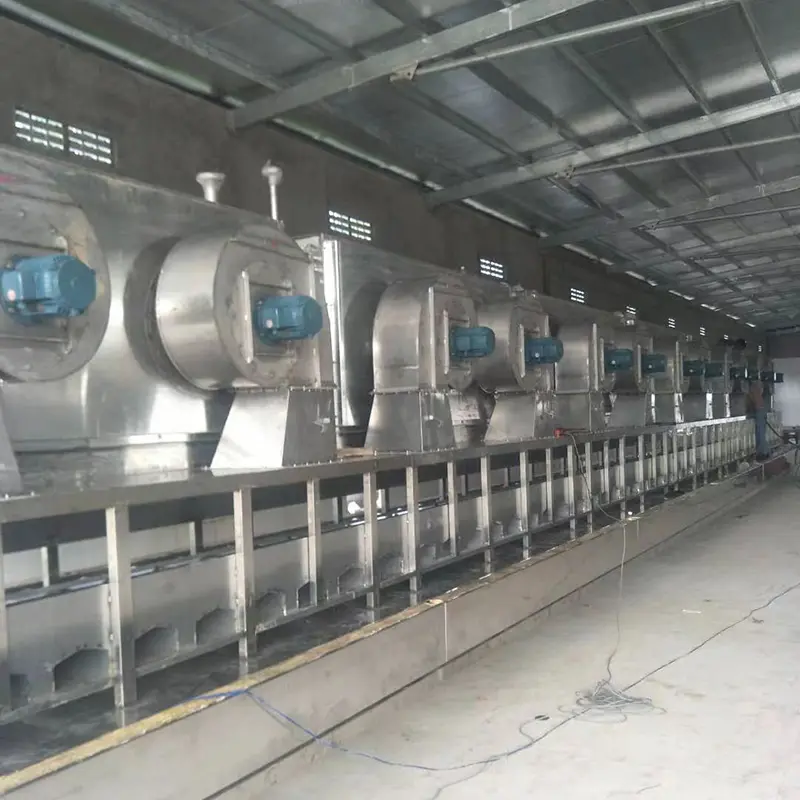
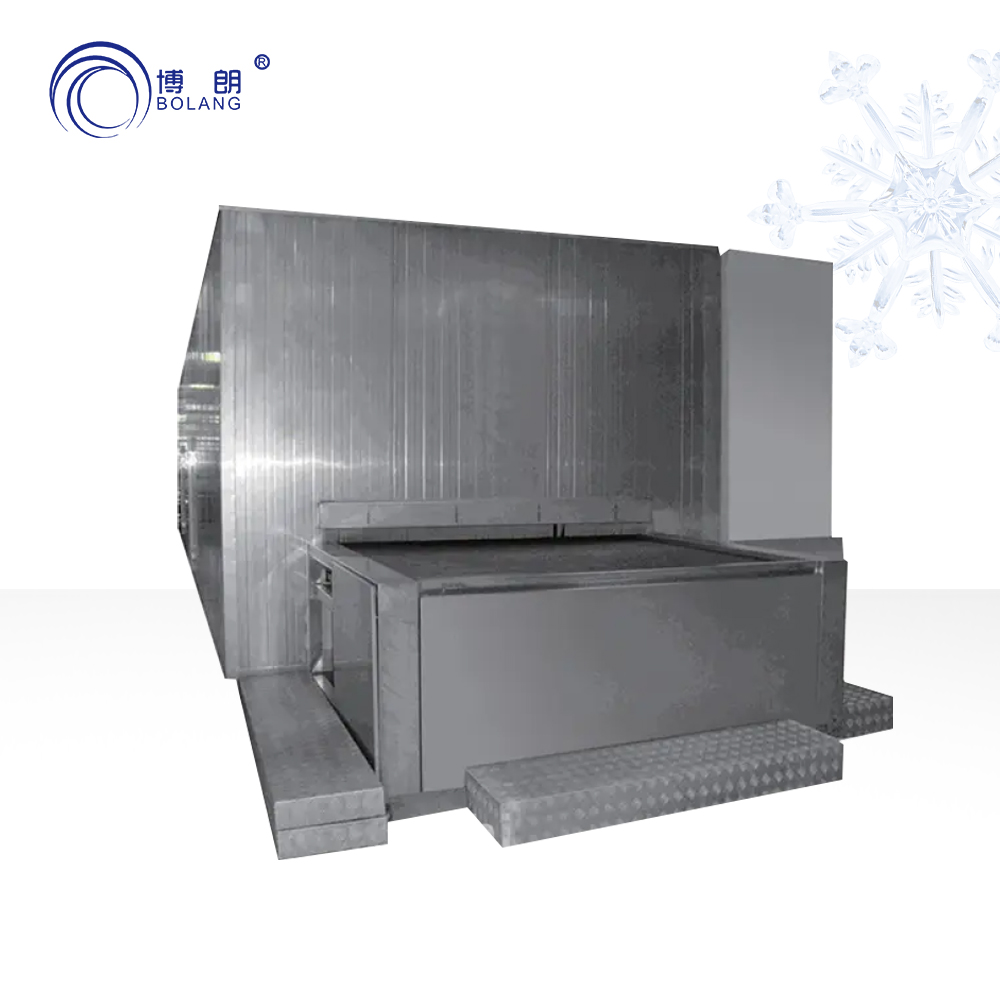
Impingement Mesh Belt or Solid Belt Tunnel Freezer For Fish, Seafood, Meat, Hamburger Patty, Shrimp.
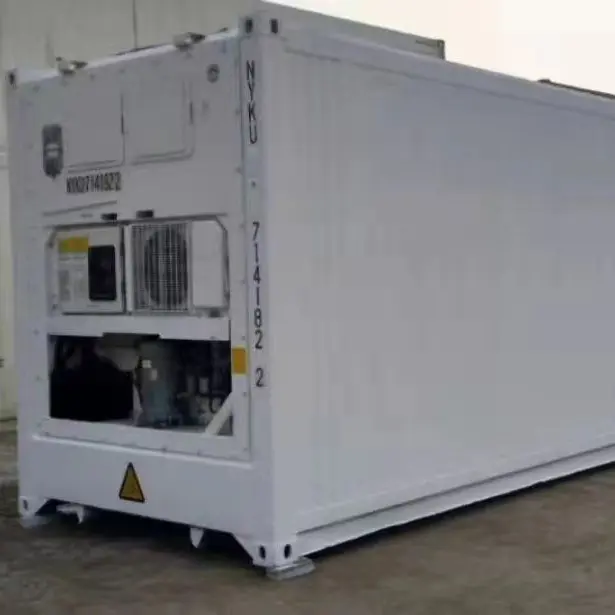
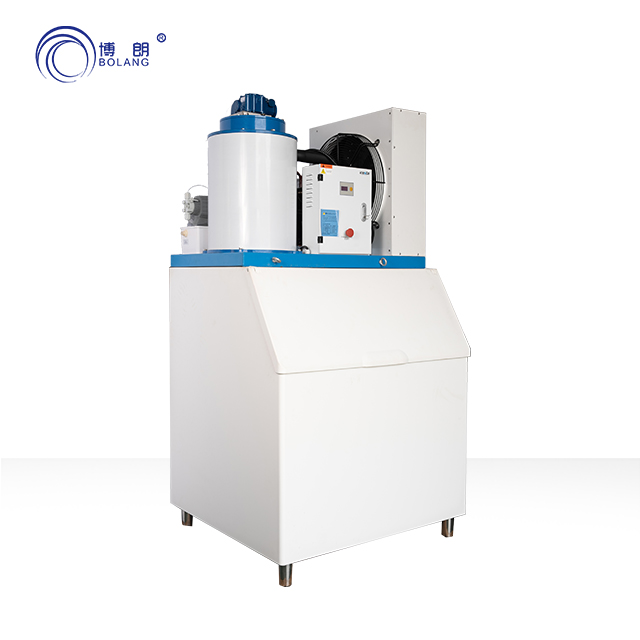

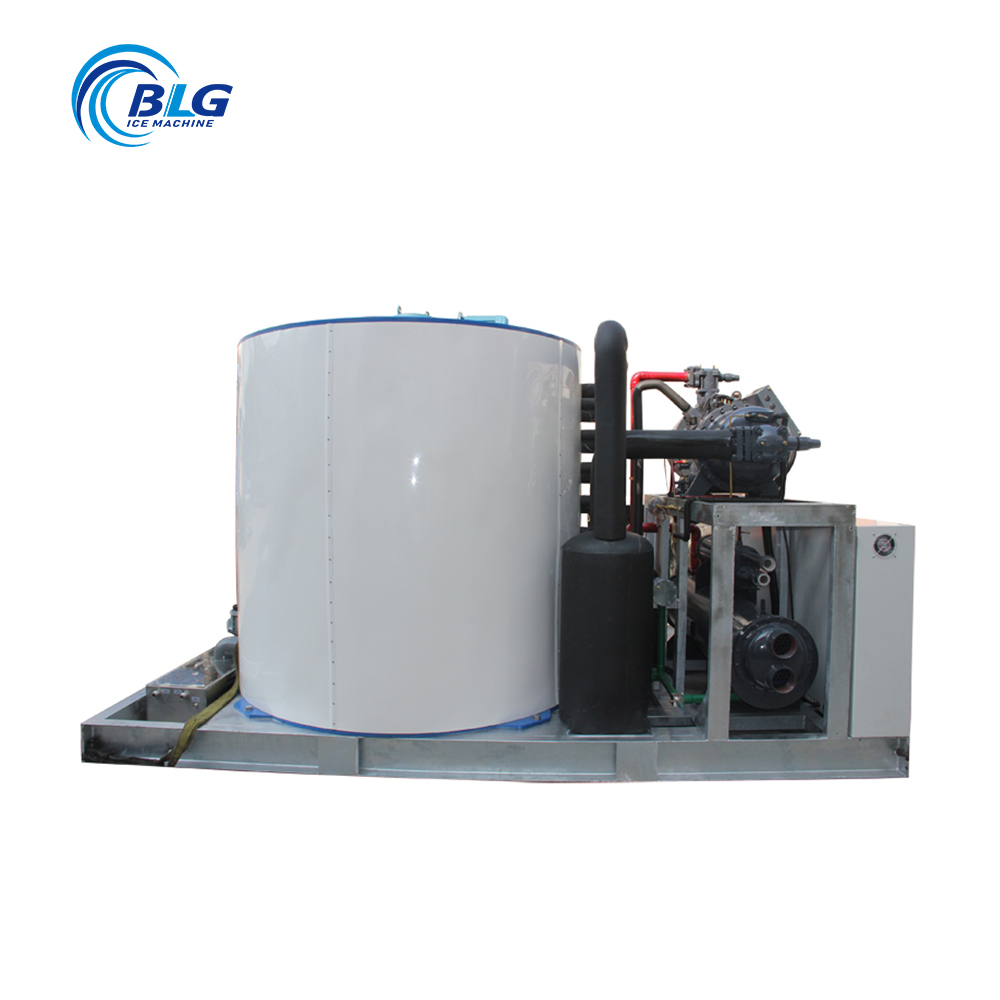


Small Industrial Ice Maker in 2025 For the Current Year
Top Selling Products
.jpg)
.jpg)
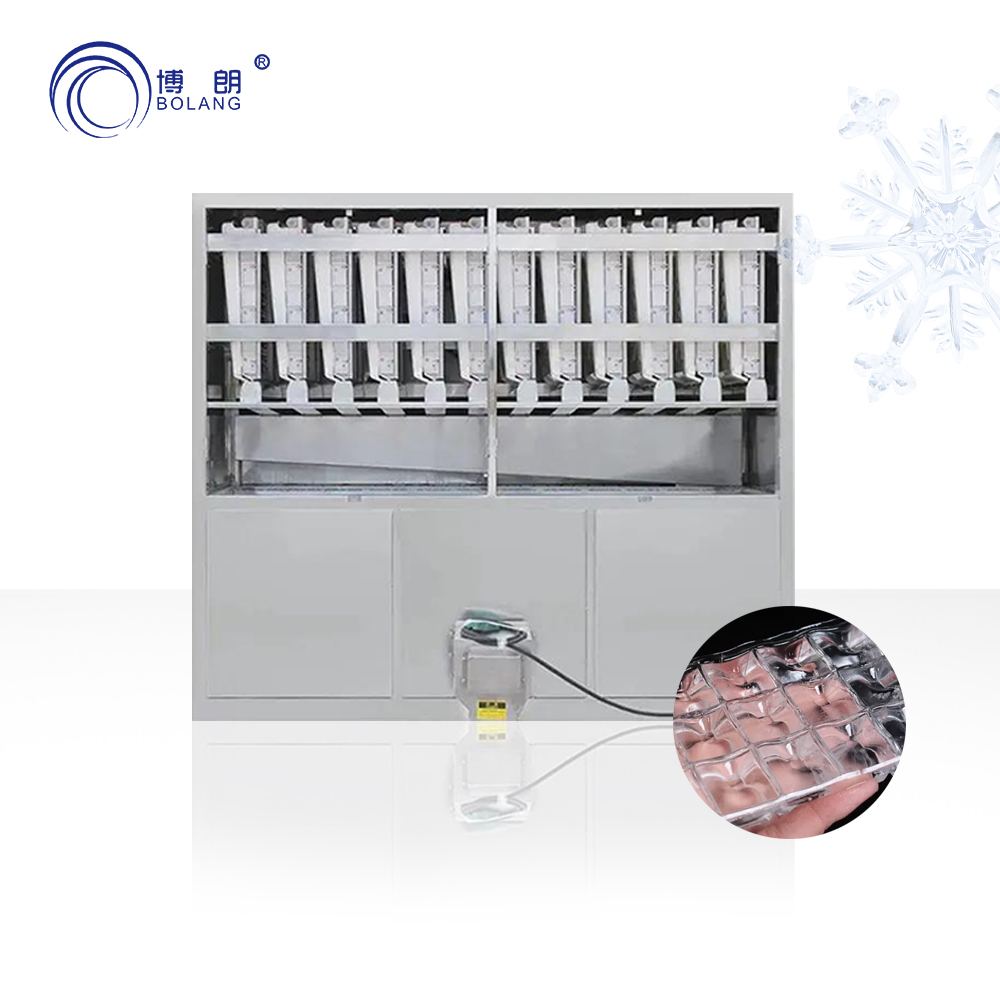
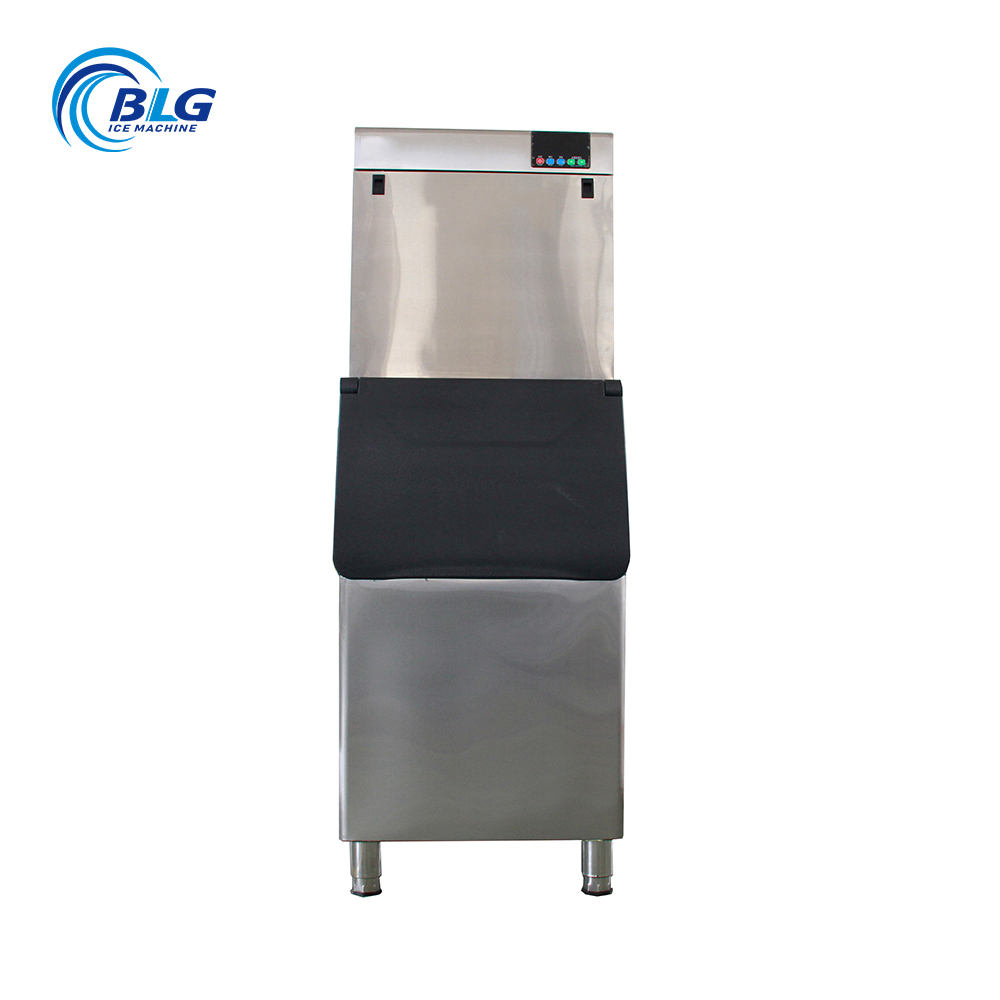
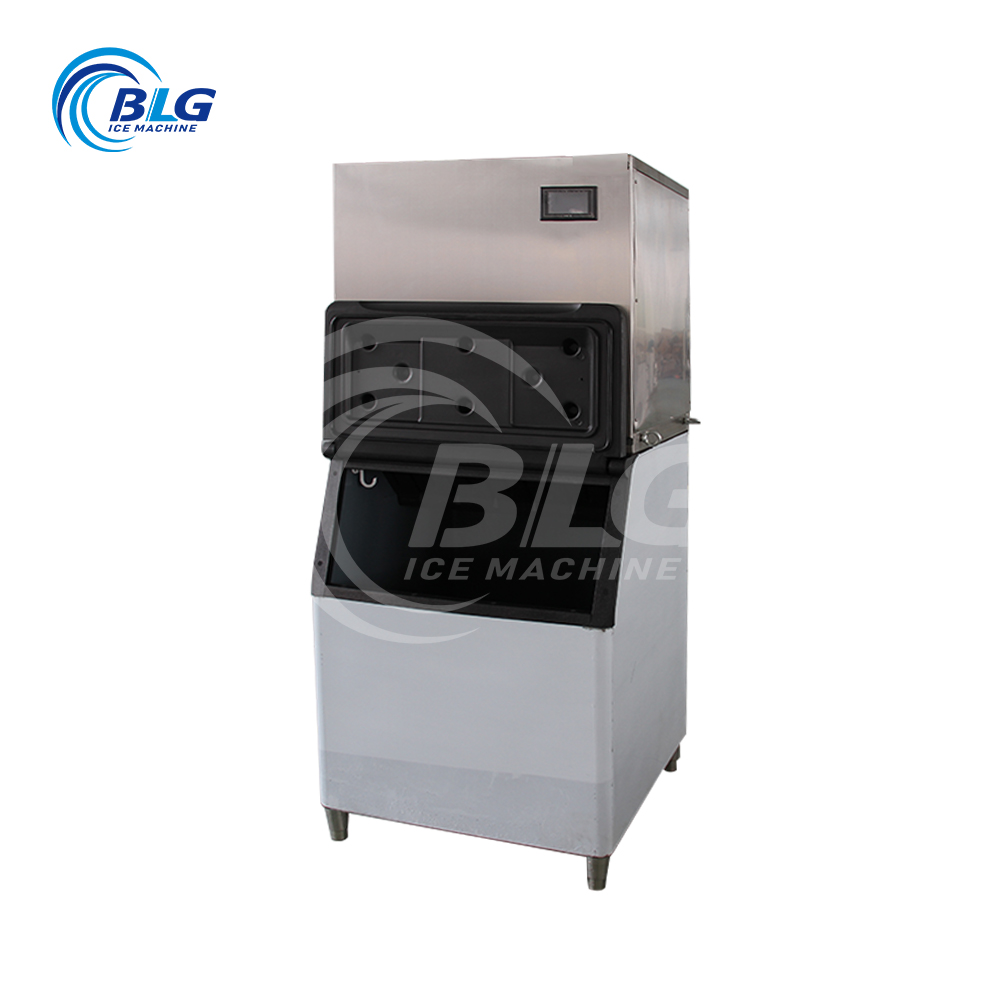
- Related Blog
- Reviews

-

Phone
-

E-mail
-

Whatsapp
-

WeChat
Judy
-

skype
Judy
-

Top