34703730-451a-4e80-9ad1-eceff7ee555a

Cube Ice Maker - China Manufacturer | Trusted Ice Maker Supplier

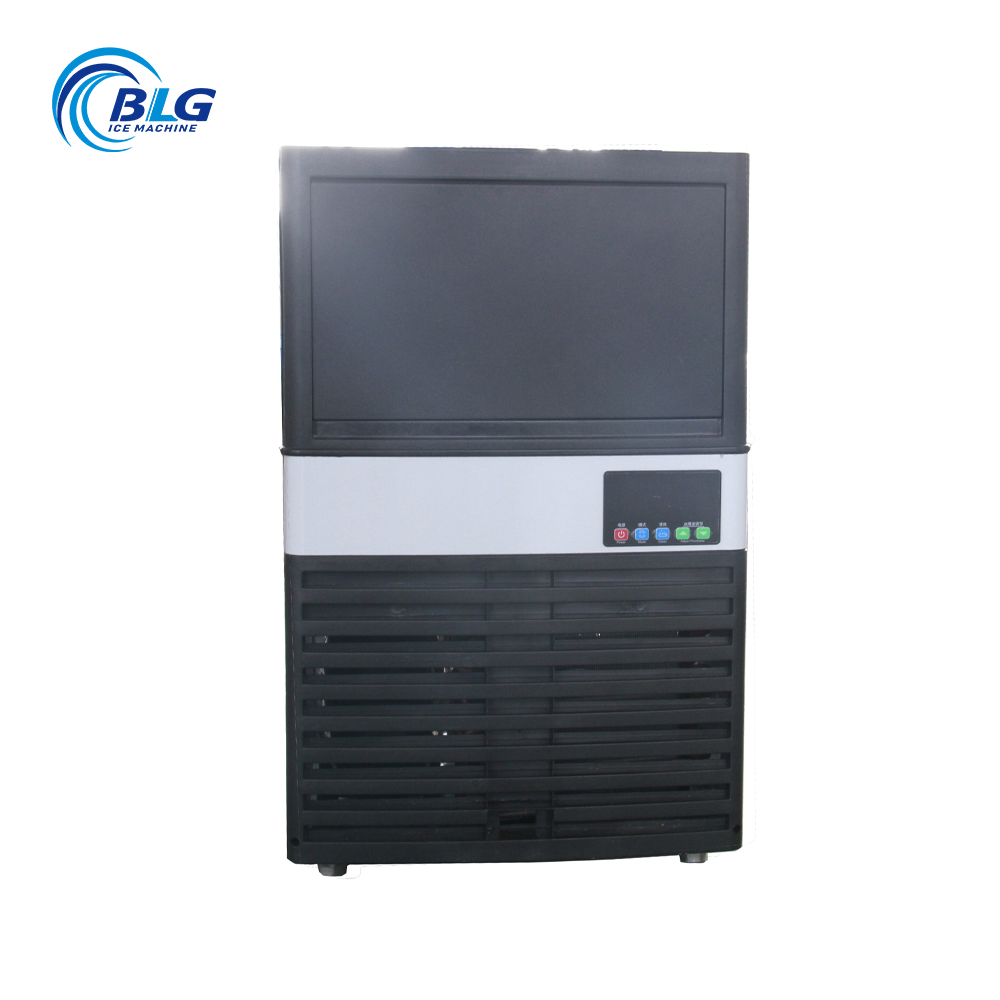
As a China-based manufacturer, we bring you a cube ice maker designed for steady performance in busy venues. With robust stainless steel, it resists corrosion and cleans easy. It fits under-counter or freestanding setups, saving space for kitchens and bars. Our unit makes perfect cube ice fast, with quiet operation and low energy consumption. Built-in water filtration, self-cleaning cycle, and simple controls help keep ice quality high and maintenance minimal. We supply to distributors and end users across China and overseas, delivering factory-direct prices and flexible warranty terms. When you choose our cube ice maker, you get reliable daily production, a compact footprint, and fast service response from our team of engineers and technicians who stand behind every unit. If you’re seeking a dependable partner in China with manufacturing know-how, we are here to help you scale your ice needs efficiently.

Hot Selling Product

cube ice maker Products Dominates

Cube ice maker products are redefining cooling solutions worldwide, combining precision-engineered components with energy-saving refrigeration technology to deliver consistent, crystal-clear cubes for foodservice, retail, healthcare and hospitality. Robust stainless-steel construction, intuitive controls and hygienic water pathways ensure long uptime, low maintenance and reliable performance even in high-demand environments. For global buyers, these units offer clear ROI: competitive purchase price, low operating expenses, scalable capacities and responsive supply chains supporting customization, certifications and spare-part availability. Choosing suppliers that prioritize sustainability, strict quality control and fast delivery helps procurement teams secure durable, efficient ice-making solutions tailored to international standards and diverse market needs.

{ cube ice maker Products Dominates}
Category Model Code Ice Shape Production (kg / 24h) Cycle Time (min) Ice Size (mm) Energy (kWh / 24h) Water Use (L / 24h) Power Supply Dimensions W×D×H (mm) Net Weight (kg) Certifications / Applications
Portable Countertop CM-15 Small Cube 12–15 10–12 16 (half cube) 1.2 17 115V / 60Hz 300×320×350 11 CE, ideal for home/office coffee stations
Residential Undercounter CM-35 Standard Cube 30–40 8–10 22 (full cube) 3.5 35 230V / 50Hz 350×480×520 25 UL/CE, undercounter kitchens, bars
Small Commercial CM-50 Standard Cube 45–60 7–9 22 / 28 selectable 5.8 66 230V / 50Hz 420×540×640 38 NSF/CE, cafes, small bars, catering
Medium Commercial CM-150 Half & Full Cube 130–170 6–8 16 / 22 / 28 12.5 165 230V / 50Hz 700×760×900 95 NSF, restaurants, hotels
Large Commercial CM-300 Large Cube 280–340 5–7 28–32 (gourmet) 28.0 330 400V / 50Hz 1100×760×980 220 CE, hotels, high-volume bars
Modular Rack System CM-600 Full Cube (clear option) 520–680 4–6 28–35 60.0 620 400V / 50Hz 3-phase 1400×920×1300 410 Industrial kitchens, event centers
Industrial Continuous CM-1200 Large Crystal Cube 900–1300 3–5 30–38 120.0 1,430 400V / 50Hz 3-phase 2000×1200×1700 920 ISO / HACCP compatible, beverage manufacturers
Specialty Clear Ice (Gourmet) CM-90 Crystal Clear Cube 70–95 10–14 30–40 9.5 85 230V / 50Hz 640×720×840 68 Premium bars, cocktail lounges
Compact High-Efficiency CM-25 Small Full Cube 20–28 9–11 20 (full cube) 2.6 30 115/230V selectable 340×380×430 16 Offices, small retail, labs
Note — Production, energy and water figures are typical operational ranges for cube ice machines of the described classes and are presented for comparative specification purposes (actual results depend on local conditions and operating settings).

Related Products

0dd913c2-300a-4496-84f2-1a5c3194dcc7

cube ice maker in 2025 Your End-to-End Solution

Monthly Ice Yield per kWh (kg/kWh) — 2025 Operational Trend

This chart visualizes the monthly performance of a cube ice maker measured as kilograms of ice produced per kilowatt-hour (kg/kWh) over a one-year cycle. The data series represents an operational efficiency metric that combines cooling system performance, ambient conditions, and maintenance status. Higher values indicate more ice produced for each unit of electrical energy consumed, reflecting better energy efficiency or favorable operating conditions. The plotted trend shows seasonal variation: efficiency rises through spring and peaks in autumn months, with a slight dip in summer likely due to higher ambient temperatures that force compressors to work harder and reduce thermal lift. Minor declines in midsummer and early winter could also signal increased defrost cycles or user behavior changes such as more frequent door openings or heavier production demands. For stakeholders evaluating equipment selection, deployment schedules, or maintenance intervals, the chart suggests periodic tuning: preventive cleaning and refrigerant checks before peak warm months, and capacity assessment prior to high-demand periods. The magnitude of monthly swings, roughly 0.2 kg/kWh between troughs and peaks in this dataset, can be substantial when scaled to commercial operation. For example, a facility producing 1000 kg of ice per day would see significant daily energy cost differences if efficiency varies as shown. Tracking this metric continuously enables targeted interventions: adjusting setpoints, optimizing fan and compressor cycles, or upgrading insulation and heat rejection components. In procurement or specification, choose systems with narrower variability and higher average kg/kWh. Finally, combining this chart with supplemental indicators—ambient temperature, defrost frequency, and maintenance logs—yields actionable insights and supports predictive maintenance models that can lock in higher efficiency across seasons. Regular analytics reporting and alignment with energy tariffs allow operators to prioritize operations during lower-rate periods and quantify return on investment for retrofits or new purchases while preserving product quality and customer satisfaction reliably.

Top Selling Products